Turning Wet into A Dry State: Change Your Basement using Moisture Protection


Do you feel fed up of handling a damp and musty basement? Converting your basement into a safe space is a feasible goal; it's an attainable goal with the appropriate waterproofing techniques. Whether you're looking to establish a cozy living area, a useful storage space, or secure your investments, effective basement waterproofing is vital. It doesn't just help you recover valuable square footage and also preserving your home’s structural integrity.
In this comprehensive guide to basement waterproofing, we'll explore everything you need to know to keep your basement moisture-free and comfortable. From recognizing the signs that indicate your basement needs immediate attention to understanding the multiple waterproofing methods available, we’ve got you covered. Learn why putting money into waterproofing is beneficial for your home’s value and what questions to ask when choosing a contractor. Bid farewell to dampness and embrace a healthier, more appealing home environment.
Indicators The Basement Requires Waterproofing
A significant clue that your basement requires waterproofing is the presence of wetness or moisture. If you spot dark spots on the surface, a foul smell, or moisture forming on glass panes and pipes, it is a strong sign that water is infiltrating your basement. If not taken care of, this moisture can lead to mold growth and other structural problems, making it crucial to act as soon as you detect these issues.
Another indicator to look out for is peeling paint or wall coverings. If your basement walls are peeling, demonstrating signs of color changes, it suggests that moisture is trapped beneath the surface. This not only impacts the overall look of your space but also indicates potential leak problems. Ignoring these signs can accelerate deterioration and lead to more costly repairs down the line.
Furthermore, if you often notice musty odors in your basement, this could point to mold or mildew due to excessive dampness. Mold can flourish in humid environments, creating health risks for you and your family. Regularly evaluating the air quality and any unpleasant smells can help you catch waterproofing issues before they escalate into major issues.
Interior vs. Exterior Waterproofing: Which is Best?
As considering waterproofing solutions for basements, property owners frequently consider between interior and outdoor methods. Interior waterproofing consists of applying sealants and paints on surfaces to prevent water infiltration from the inside. This approach can incorporate the use of drainage systems, sump pumps, and dehumidifying systems. Though these solutions can efficiently manage moisture levels, they often target symptoms rather than the root causes of moisture entry.
In contrast, external waterproofing is aimed at keeping water from reaching the home's foundation in the beginning. This method typically involves clearing ground around the footing to install barriers and drainage systems that guide water away the home. Though Toronto basement waterproofing are generally higher in cost and requiring more effort, they deliver a thorough method to safeguarding the edifice and are commonly viewed as better for long-term prevention.
Ultimately, the decision of internal and outdoor waterproofing is based on multiple considerations, which include the degree of water-related issues, the design of the home, and the financial considerations. A lot of specialists recommend a mixture of both solutions for maximum effectiveness. By considering both indoor humidity management and outdoor waterproofing solutions, homeowners can maintain a moisture-free and safe basement environment.
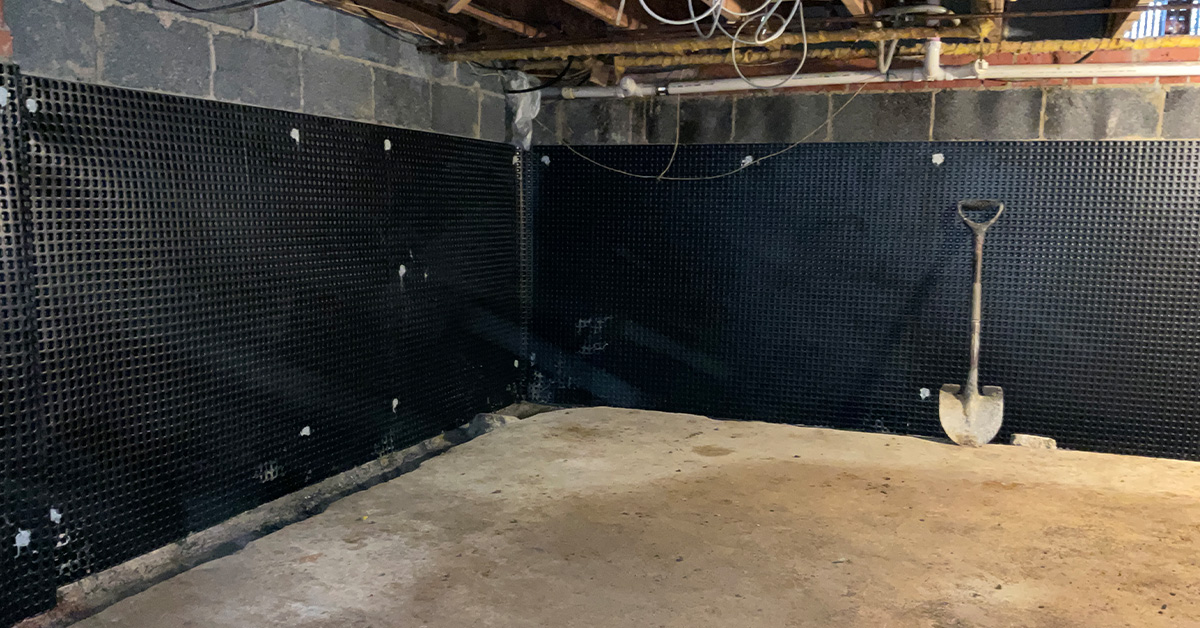
The Way Waterproofing Enhances Property Value
Spending on on basement waterproofing can considerably improve the value of your home. Potential buyers tend to be wary of real estate with a track record of moisture issues or damp issues. By having a basement is waterproofed, you show a house that is not just protected but also much less likely to require costly fixes in the future. This assurance can make your property more inviting to prospective buyers who seek to shun the burden of repairs.
In addition to protecting the structural integrity of the home, waterproofing can also improve the utility of your basement. A clean basement can give additional finished area, a work area, or entertainment space, which further boosting the desirability of your house. Buyers often see added area as a valuable asset, which translates into a higher market price. A properly cared for and sealed basement can distinguish your home from similar properties in the real estate market.
Furthermore, waterproofing can improve your property's energy-saving capabilities and air quality indoors. A properly sealed basement minimizes the chances of fungus and spores, contributing to a better living environment. This aspect can be particularly attractive to family-oriented buyers, making your home an more straightforward sell. In conclusion, waterproofing not only protect your money but also improves the general appeal and value of your house.