Turning Lost into Remarkable: Transform Your Grin through Implants


A radiant smile can be a strong asset, influencing not just the way others see us, but also how we feel about ourselves. Sadly, for numerous people, lost teeth can lead to insecurity and a loss of self-esteem. Thankfully, dental implants have emerged as a groundbreaking solution, changing smiles and reviving not just appearance but also practicality. This detailed guide will examine the world of dental implants, shedding light on their merits, processes, and the way they can significantly enhance your well-being.
If you’ve ever thought what dental implants are and how they work, or if you’re thinking about the best solutions for your dental health, you’re in the perfect place. From understanding the variances between implants, bridges, and dentures, to finding out about the latest developments in dental technology, this article will offer you with all the knowledge you need to make an informed decision about transforming your smile. Whether you are facing tooth absence or thinking about preventative measures to maintain your oral health, the journey from absent to marvelous starts now.
Comprehending Implant Dentistry
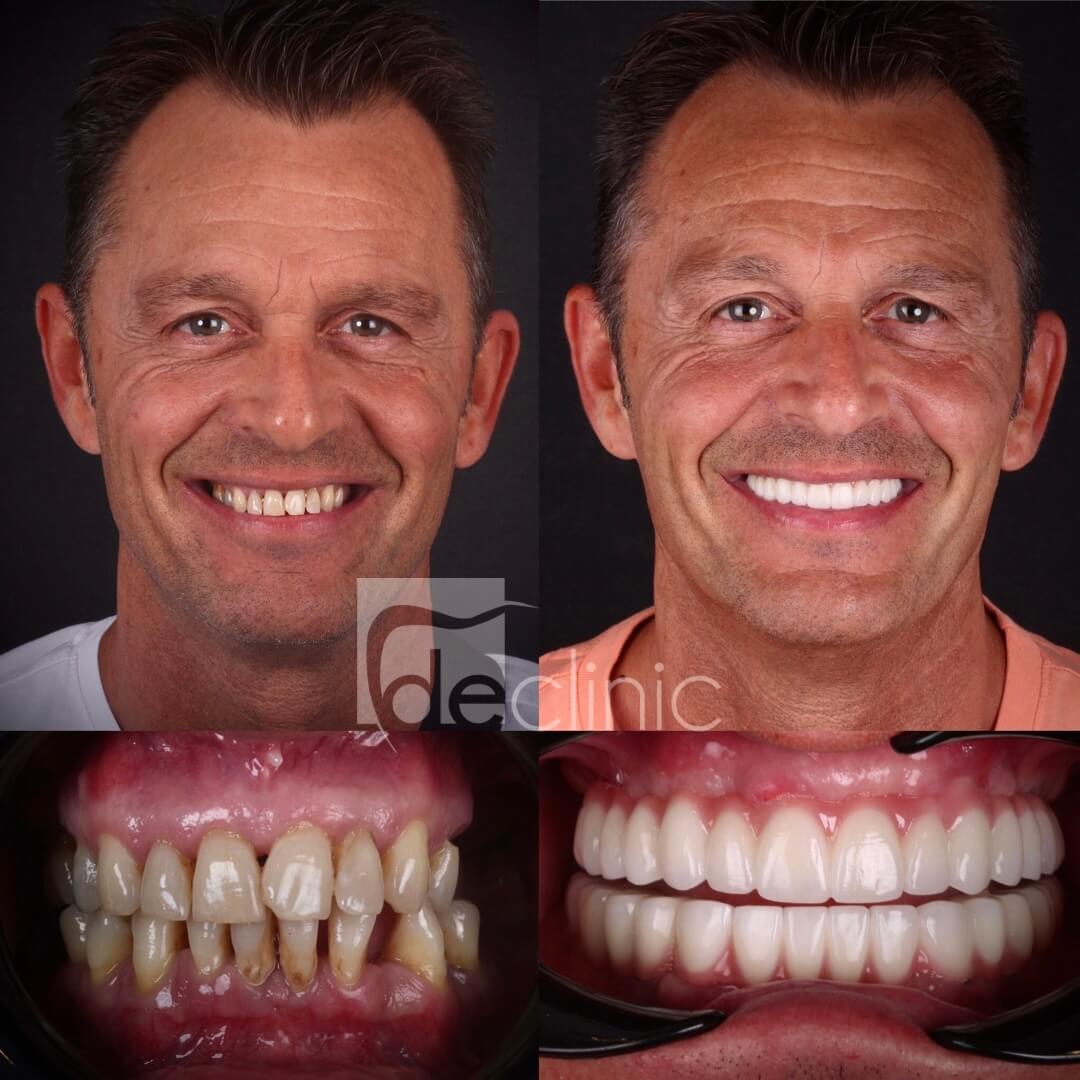
Tooth implants are man-made dental roots that provide a durable base for fixed or removable replacement teeth. They are generally made from titanium, a body-friendly material that integrates with the bone in a process referred to as osseointegration. This creates a strong foundation for the artificial teeth, which appear and work just like natural teeth. The dental implant procedure involves various steps, including the first consultation, implantation, and the placement of caps or bridges.
The main function of dental implants is to reestablish both the look and functionality of missing teeth. Unlike traditional dentures, which can shift or cause inconvenience, dental implants are firmly anchored in the mandible, enabling patients to eat, speak, and smile with self-assurance. In addition, implants stop bone loss, which can occur when teeth are missing, helping to maintain the structure of the jaw and facial structure over time.
Additionally, dental implants can significantly improve dental health. They do not require altering adjacent teeth as bridges do, preserving the health of your real teeth. Implants also help in maintaining the jaw bone density, making them a superior option for extended dental restoration. With advancements in dental technology, the process has become more streamlined, making implants more approachable and helpful for patients seeking a robust solution to tooth loss.
Benefits and Contrasts
Implants offer a range of benefits that make them an appealing option for those looking to replace lost teeth. One of the top advantages is their ability to closely replicate the natural appearance and function of real teeth. Unlike traditional dentures, dental implants are securely anchored in the jawbone, allowing for improved stability and comfort. Patients with implants can eat, talk, and smile with confidence, as these devices eliminate the worry of slipping or shifting that can occur with standard dentures.
When comparing dental implants to other tooth replacement options, such as dental bridges, several aspects come into play. Bridges require the modification of adjacent teeth for support, which can weaken their health over time. In contrast, implants do not influence neighboring teeth and help stop bone loss by stimulating the jawbone, preserving its structure. This distinct feature of dental implants adds not only to visual appeal but also to long-term oral health, making them a superior choice for many individuals.
Cost is often a major factor when choosing between implants and other dental solutions. While dental implants may have a elevated initial cost, they are known for their robustness and longevity, often lasting many decades or even a life with proper care. This long-term investment can result in lower overall costs compared to dentures or bridges, which may need replacement or modification over time. Additionally, the restoration of oral health and function that implants provide can greatly enhance one's living experience, justifying the upfront expense for many patients.
Procedures and Aftercare
The dental implant procedure typically involves several steps that begin with a comprehensive consultation and imaging to examine the jawbone and surrounding structures. Once you are deemed a suitable candidate, the first phase involves the surgical placement of the implant into the jawbone. Subsequently, Check out this site of several months is required to allow the implant to integrate with the bone, a procedure known as osseointegration. During this time, a temporary crown may be given to maintain aesthetics and function.
After the healing phase, the next step is placing an abutment, which connects the implant to the crown. This procedure is usually small and can often be completed in a dental office under local anesthesia. Once the abutment is attached, the custom crown is produced and fitted to align with your natural teeth. This ultimate restoration not only boosts your smile but also ensures correct functionality for consuming food and speaking.
Post-procedure care is essential for the longevity of your implants. Proper oral hygiene is essential, including consistent brushing and flossing, and scheduled dental checkups. Avoiding smoking and following your dentist's recommendations regarding diet and activity can significantly boost healing and reduce the risk of implant failure. By adhering to these guidelines, you can enjoy your dental implants for many years to follow.