The Top five AC Units for 2023: Feedback and Recommendations


With summer temperatures rising, numerous homeowners seek top air conditioning units that will maintain their indoor spaces comfortable. This year, the market provides a plethora of options, ranging from energy-efficient models to smart climate control systems. Determining Air conditioning units Newcastle upon Tyne is essential not just for ensuring comfort, and for efficiency and indoor air quality. Herein will lead you through a selection of the top recommendations available in 2023, showcasing features that stand out and considerations that can help you make an informed decision.
While evaluating your air conditioning options, understanding the different types available—such as central versus ductless systems—and recognizing signs that it's time to invest in a new unit will be key. We will also delve into essential aspects of air conditioning, such as maintaining optimal performance and ensuring energy efficiency so you can maintain your bills manageable. Whether you're looking for a quiet unit for your bedroom or a robust system suitable for commercial spaces, we have you covered our top picks and insights.
Crucial Considerations for Buying Cooling Units
When searching for an air conditioning unit, the initial important consideration is the dimension of the unit relative to your environment. Selecting the right size is critical for efficient cooling and energy efficiency. An small unit will have difficulty to cool your home, leading to increased energy bills and deterioration over time. Conversely, an large unit may cool the space too quickly without adequately dehumidifying, resulting in a cold and clammy setting. Seeking guidance from a professional can help you identify the suitable BTU (British Thermal Unit) capacity needed for your individual area.
Energy efficiency is a further crucial aspect to evaluate. Search for units with a high SEER (Seasonal Energy Efficiency Ratio) rating, as these will use less electricity while providing the same cooling output. Energy-efficient units not only help reduce environmental impact but also decrease monthly utility bills. Many models also feature energy-saving modes and smart technology that can adjust settings based on occupancy and usage patterns, additionally enhancing efficiency.
Finally, the type of air conditioning unit you select—whether central, ductless, or portable—will vary according to your home's layout and your personal preferences. Central systems are ideal for larger homes or those with existing ductwork, while ductless mini-splits offer versatility for homes without ducts. Portable units provide a handy solution for renters or those seeking temporary cooling options. Assessing the particular needs of your house and lifestyle will steer you in picking the most appropriate air conditioning unit for your situation.
Comparative Analysis: Central vs. Ductless Systems
Regarding air conditioning solutions, central and ductless systems offer distinct benefits. Central AC devices are engineered to chill an entire residence via a network of airways, providing a uniform climate across the area. This is particularly helpful for spacious establishments where maintaining consistent cooling is important. Moreover, central systems tend to be quieter since the primary components are usually located externally the inhabited spaces.
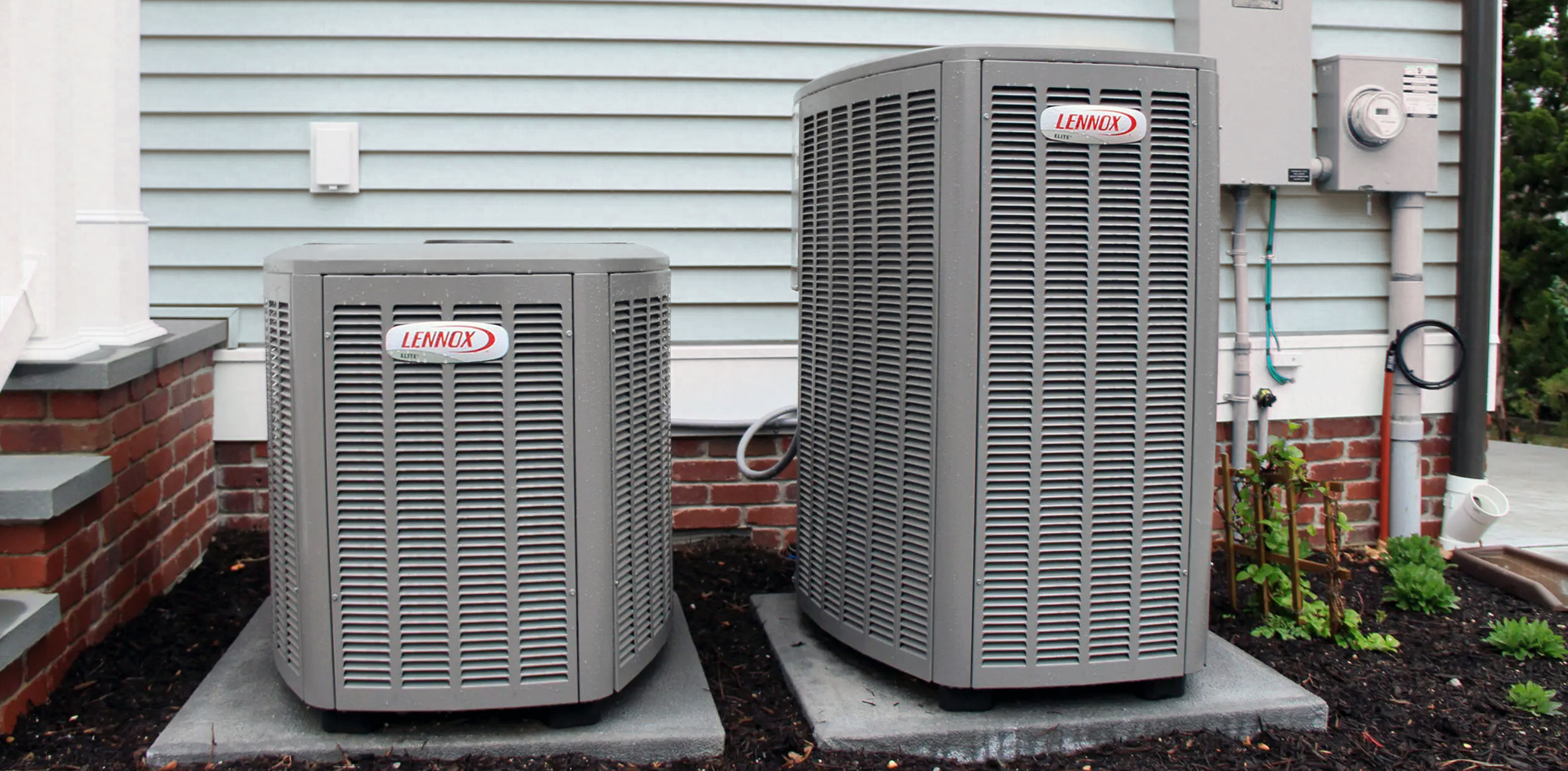
In contrast, ductless air conditioning devices, or known as mini-split systems, offer a much flexible approach. Such systems consist of an external compressor and one or more internal units, permitting homeowners to chill specific spaces as required. This can lead to significant cost savings, particularly in homes that do not need reliable cooling in every room. Such ductless systems are also simpler to install, as they do not require extensive ductwork, making them a practical option for remodels or homes without existing duct frameworks.
In terms of financial factors, central air conditioning systems often have lower first installation fees relative to ductless systems, particularly for larger homes. Nonetheless, the operational efficiency of ductless devices can lead to reduced long-term operational costs. Homeowners should consider their particular needs, the configuration of their home, and their financial plan when choosing between central and ductless air conditioning systems, as each system's advantages can be fully appreciated in diverse contexts.
Servicing and Repair Tips for Cooling Units
Regular upkeep is crucial for guaranteeing that AC units operate efficiently and last for years. Begin by cleaning or replacing filters every month, especially during peak demand periods. Soiled filters can limit airflow, resulting in reduced efficiency and more wear on the system. Additionally, inspect and clean the condenser coils externally to remove any obstructions that may block airflow. Professional servicing, including checking refrigerant levels and electrical components, should be arranged once a year to detect potential issues early.
Troubleshooting typical issues can often cut time and costs. If your air conditioning system is not cooling properly, initially inspect the thermostat setting and ensure it is on the right cooling mode. Examine the outdoor system to see if any debris blocks the airflow. If the system is running but not cooling, it may indicate low refrigerant levels, which requires expert attention. Odd noises or odors can also indicate problems that need to be addressed right away, as they may suggest more serious problems within the system.
Maintaining proper airflow and keeping the unit clean are crucial for best performance. Watch for signs of moisture buildup around the unit, which could lead to fungus and smells. Consistent inspections and cleaning, coupled with a seasonal maintenance checklist, can help you spot small problems before they become larger. By spending time in upkeep and diagnosis, you can lengthen the durability of your air conditioning system and ensure a cozy indoor atmosphere.