The Future of Engineering: Welcoming Measured Building Surveys


In the rapidly evolving world of building, precise details plays a key part in securing the triumph of tasks. Building surveys that are measured are now an indispensable tool for experts across multiple industries, providing precise data that significantly enhances the preparation and execution of construction activities. However what does a measured building survey involve, and why is it this important? This article will explore the essential elements of measured building surveys, including their uses in restoration projects, and the various advantages they extend to builders and property developers alike.
As advances, similarly, the the approaches and resources used in measured building surveys. Ranging from traditional methods to cutting-edge laser surveying and drone technology, the environment of surveying is evolving. Understanding these developments and their implications can enable stakeholders to make informed decisions that conserve hours and resources. Whether you are planning a commercial project, considering an addition for your property, or restoring a heritage building, grasping the essentials of measured building surveys is crucial for achieving your project objectives successfully.
Comprehending Evaluated Structural Surveys
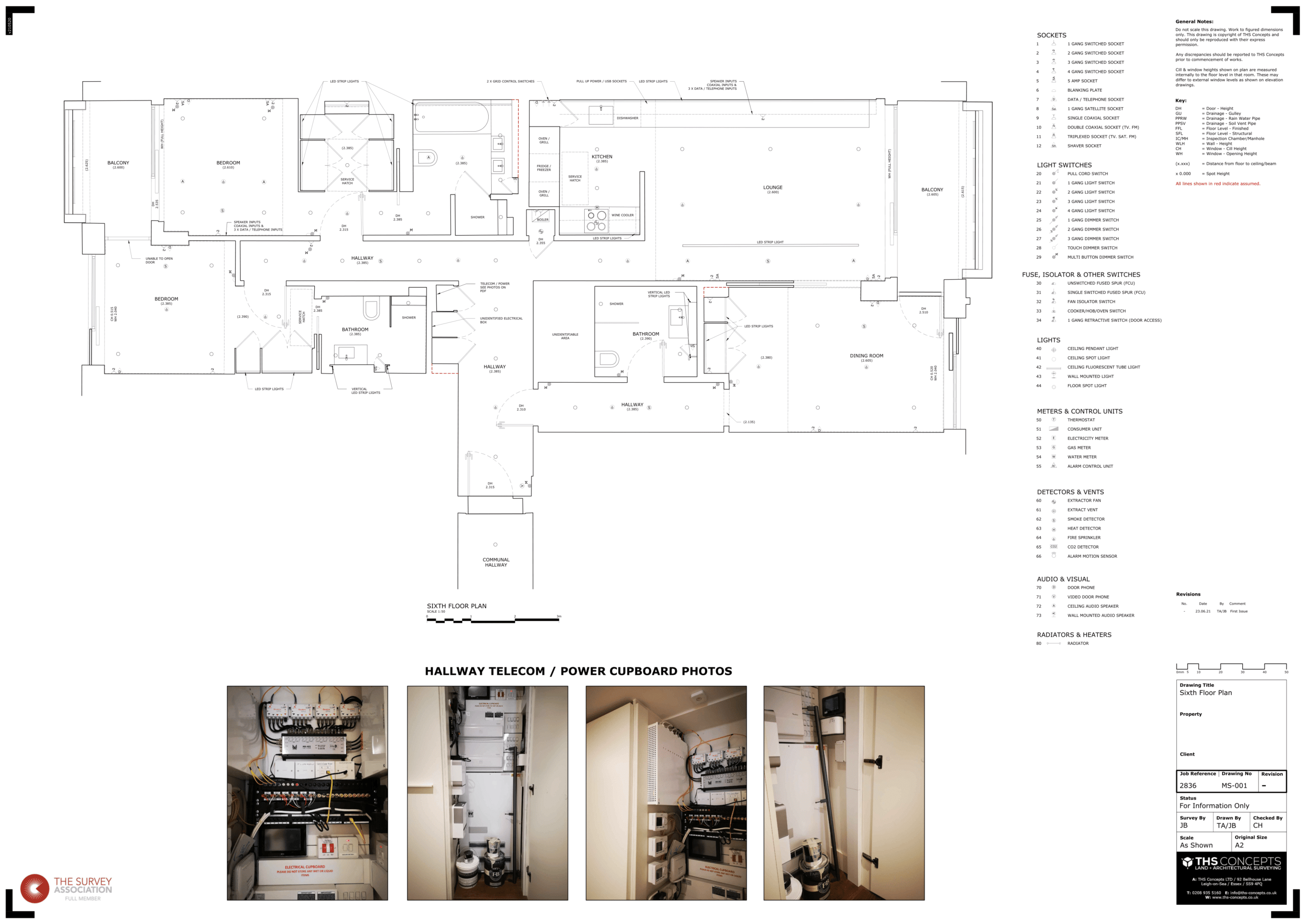
Evaluated structural assessments are targeted surveys that record precise dimensions and spatial information of a building or edifice. These surveys commonly involve comprehensive data gathering, comprising measurements of floor plans, elevations, and units, which are essential for various applications like planning, remodeling, and planning. By employing innovative technology and techniques, evaluated structural assessments produce exact representations of current conditions, allowing architects and contractors to make educated decisions throughout the building process.
One of the primary benefits of a measured structural survey is its capacity to support renovation and restoration endeavors. Precise surveys provide essential insights into the current state of a structure, emphasizing any structural issues or aspects that require attention. This is especially crucial in historic building restoration, where maintaining the integrity of the structure is essential. By having accurate data, team members can create more effective designs and strategies that conform with regulatory requirements and preservation goals.
Moreover, measured structural assessments serve as a basis for effective construction preparation. They help detect areas for potential improvements, optimize space organization, and facilitate to enhanced project oversight. By utilizing these assessments, property developers and architects can reduce errors and avoid costly mistakes during the construction phase. This strategic approach not only conserves time and resources but also boosts the overall quality and success of the initiative.
Benefits and Applications
Measured construction evaluations are crucial for a multitude of uses within the construction and architecture industries. They deliver extremely precise data that constitutes the cornerstone of proficient design and renovation projects. With accurate measurements, architects can design schematics that illustrate the true dimensions of a structure, reducing the likelihood of costly mistakes during building. This consistency is critical for renovations, as it permits for well-founded decisions regarding structural changes, extensions, and restorations.
The importance of these surveys goes beyond mere accuracy; they facilitate effective space organization and design. By offering detailed insights about floor plans, elevations, and sections, quantified building surveys allow architects and designers to enhance the efficiency of a work area or residential environment. Furthermore, for commercial properties, this data can lead to better functionality, improving the overall tenant experience and contributing to the property's market value.
Technology plays a crucial role in the effectiveness of measured building surveys. Innovations such as laser scanning and drone technology have made it possible to gather data faster and accurately than previously. These innovations not only streamline the surveying process but also provide detailed 3D visualizations, aiding in visualization and planning. As construction continues to progress, embracing these technologies ensures that stakeholders can make well-informed decisions that boost project outcomes and drive industry standards onward.
Technological Advancements in Surveying
The domain of surveying has significantly transformed with the incorporation of advanced technologies. Lidar scanning and 3D modeling tools have greatly enhanced the exactness and efficiency of measured surveys. https://surveyingserviceslondon.co.uk/best-measured-building-surveys-london/ allow surveyors to gather intricate details of structures quickly, transforming what previously took weeks into just moments. The accuracy offered by these technologies minimizes human error and provides planners and contractors with reliable data vital for well-grounded decision-making.
In addition, drone technology is progressively being used in the surveying field. Drones can effectively traverse large spaces and collect overhead views that were hard to obtain before. This technology not only enhances the information gathering process but also improves the quality of the information gathered, offering a complete overview of the surveyed property. This feature is particularly beneficial in challenging renovation projects where comprehending the complete site background is essential for successful designing.
Moreover, the importance of BIM in building surveys is revolutionizing conventional practices. BIM facilitates a collaborative approach, allowing all participants to see the project in a single digital space. This fusion enhances communication and reduces inconsistencies during the construction phase. With the ongoing progress of measuring methods, the outlook of construction surveys appears positive, promoting greater efficiency and exactness in the industry.