The Do-It-Yourself Manual to Garage Door Troubleshooting


If you have a garage, you know how essential it is for your home’s functionality and safety. However, like any other part of your house, garage doors can face issues that require attention. Understanding how to diagnose these problems can save you cash and prevent more serious issues down the line. This DIY guide will equip you with the skills to recognize when your garage door requires immediate repair, explore common problems, and determine if you can manage the fixes yourself or if it's time to contact a specialist.
From noisy operations to doors that won't to open, there are several signs indicating that there might be wrong with your garage door system. Whether you are a experienced DIY enthusiast or a first-time homeowner, understanding how to recognize these issues in advance is important. In this article, we will discuss a range of topics related to garage door repair, including how to repair a troublesome garage door opener, the significance of regular maintenance, and smart tech developments that make repairs easier than ever. It’s time to tackle any garage door woes head-on and ensure your home functioning well.
Indicators That Your Garage Door Needs Repair
One of the most clear markers that your garage door requires fixing is if it displays odd movements during operation. When your door hesitates, trembles, or moves irregularly while opening or shutting, it is an warning that something is wrong with the guides, cables, or mechanism. These anomalies can lead to more serious problems, so it’s essential to fix them promptly.
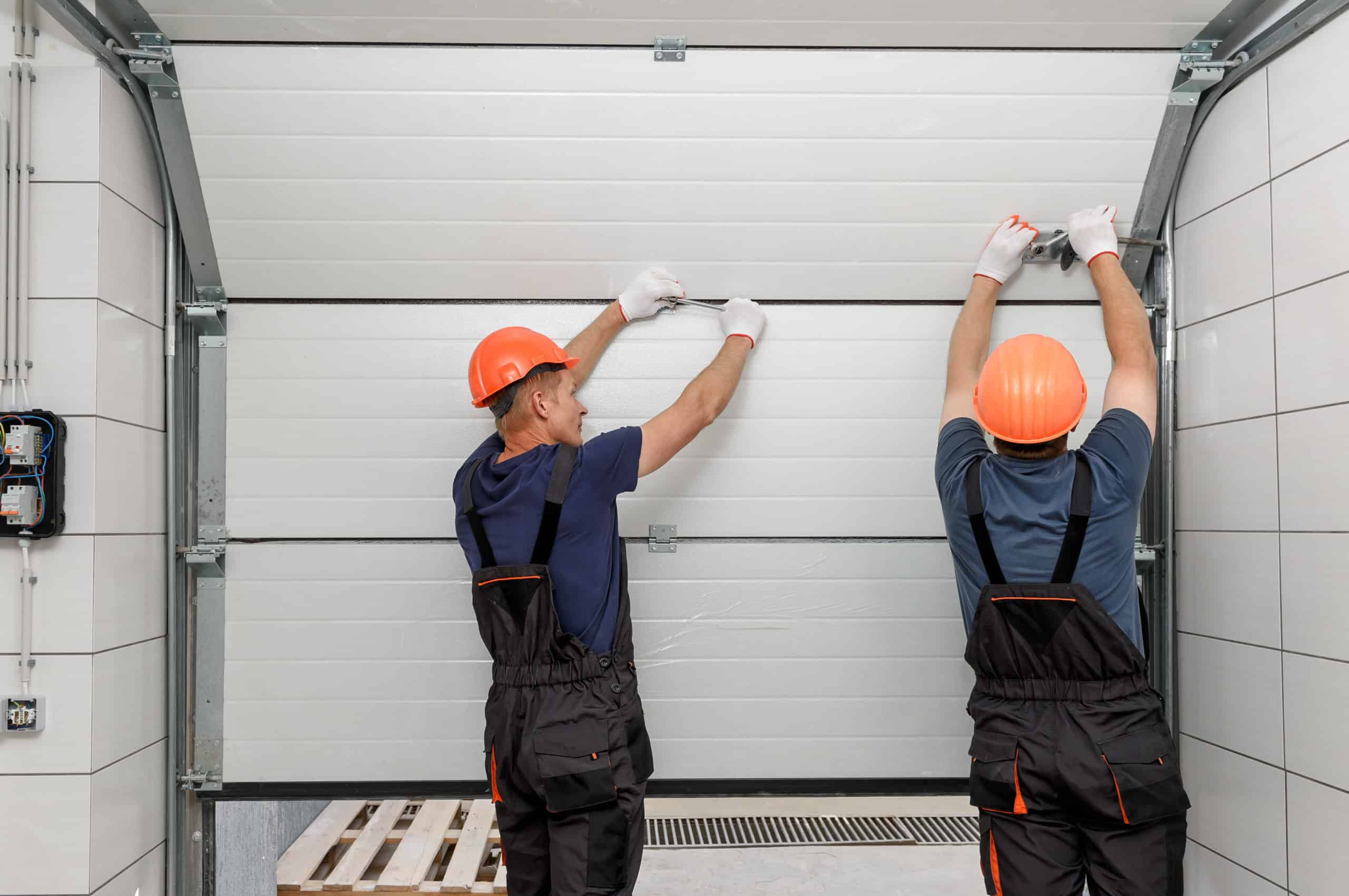
Another common sign is if the garage door makes unusual noise. While some noises are normal, grinding, squeaking, or banging noises can indicate problems with the wheels, articulations, or additional parts. Ignoring these sounds can lead to further damage, making it critical to check out the source of the noise and take prompt action to resolve it.
Lastly, when your garage door remote fails to operate or if the door refuses to react to your instructions, it may indicate a need for maintenance. This issue could be caused by various factors, such as dead batteries in the remote, defective sensors, or faults with the mechanism. Making sure your garage door works smoothly and efficiently is crucial for your convenience and protection.
Common Garage Door Difficulties
One of the a typical problems property owners encounter is a doorway that will not open or close correctly. Click here to find out more can be caused by a number of factors, including crooked tracks, obstructed sensors, or a defective opener. At times, the remote control may also be the culprit, not to communicate with the door mechanism. Inspecting these elements can often uncover easy fixes, such as adjusting the tracks or clearing dust from the sensors.
Another common issue is a noisy garage door. Harsh creaks, noises, or grinding sounds are often signs that the door needs greasing or that parts are damaged. Regular care, such as applying lubricant to the rollers, hinges, and springs, can significantly minimize noise and stop further damage. However, if the noise persists even after lubrication, it may indicate a more serious issue that requires expert evaluation.
A broken garage door spring is a major issue that demands immediate action. Springs are crucial for holding the door's weight, and a broken spring can cause the door to become inoperable or even hazardous. Recognizing the signs of a broken spring, such as the door being abnormally heavy or failing to lift, is key. In many scenarios, replacing a spring should be left to a qualified technician due to the high tension involved, which poses hazards if handled improperly.
Self-Repair vs. Professional Help
When faced with garage door issues, homeowners often struggle with the choice of whether to try a DIY repair or call a professional. DIY repairs can be appealing due to the possible savings and the pleasure of fixing something on your own. Basic tasks such as lubricating components that move or fixing screws that are loose can often be managed independently. However, it's crucial to thoroughly understand the situation before diving in, as specific challenges may require particular equipment or knowledge that the average homeowner may not have.
On the other hand, many garage door challenges can be complex and pose hazards. Issues like broken springs, faulty cables, or malfunctioning openers often require expert knowledge to repair effectively and properly. Attempting to fix these problems yourself can lead to additional damage or injury. Homeowners should prioritize their safety and the durability of their garage doors, recognizing when a repair should be handled by professionals.
Ultimately, recognizing the boundaries of your DIY capabilities is key. If you find yourself facing persistent issues or if the repair jobs seem intimidating, it’s wise to contact a specialist in garage door repair. They possess the expertise and equipment necessary to ensure your garage door is not only operational but also secure. Finding a balance between DIY excitement with an understanding of when to seek help can save time and money, and possible issues down the line.