Resilience in the Face of the Environment: Civil Engineering and Emergency Readiness


In an evermore unpredictable world, the value of robustness in architecture has never been more apparent. Structural engineering is pivotal in ensuring that buildings do not just stand tall but also endure the forces of nature. From cutting-edge skyscrapers to essential infrastructure, the work of structural engineers plays a vital role in disaster preparedness and recovery, enabling communities to recover from calamities. This article explores the varied discipline of structural engineering, showcasing its significance in modern construction and disaster mitigation.
Understanding what structural engineering comprises is essential for grasping its effect on our built environment. Structural engineers are the masterminds behind the safety and functionality of structures, balancing aesthetics with strength. They confront complex design challenges while using advanced technologies and sustainable practices to create resilient, durable edifices. As we explore into the diverse aspects of structural engineering, we will also look at how these professionals interact with architects and other stakeholders to achieve a cohesive vision that emphasizes safety and durability.
Grasping The Field of Structural Engineering
This branch of engineering serves as a distinct branch of civil engineering concentrating on the creation and examination of structures that hold or resist loads. It encompasses a variety of projects, from homes and crossings to pylon structures and barriers. Structural engineers certify that these structures are safe, stable, and able to withstanding different forces, including weight, wind, and tremors. By applying principles of mechanics and materials technology, they determine how materials can be utilized to create long-lasting structures that endure the effects of time.
The function of structural engineers is vital in today's construction. They work closely with architects and additional professionals to bring designs to life while adhering to safety regulations and building codes. By considering variables such as stress distribution, durability, and environmental impacts, they find cutting-edge solutions to complex design problems. This joint process yields buildings that are not only aesthetically pleasing but also efficient and reliable for public benefit.
As our metropolises develop and new technologies emerge, structural engineering continues to progress. The outlook of this field will be influenced by advancements in construction materials, sustainability methods, and digital technologies like 3D modeling. Structural engineers will increasingly concentrate on creating environmentally conscious designs that reduce environmental impact and improve resilience against natural disasters. This ongoing progress highlights the significance of structural engineering in securing protected and sustainable advancement for the next generations.
The Role of Structural Engineers
Construction engineers play a crucial role in the planning and building of buildings and infrastructure. They are responsible for ensuring that structures can withstand the forces and stresses they encounter, including weight, wind, earthquakes, and occupancy. By applying concepts of physics, mathematics, and engineering materials, structural engineers create secure, practical, and visually appealing environments. Their expertise is key in balancing safety with innovative design, allowing architects' visions to come to life while maintaining building integrity.
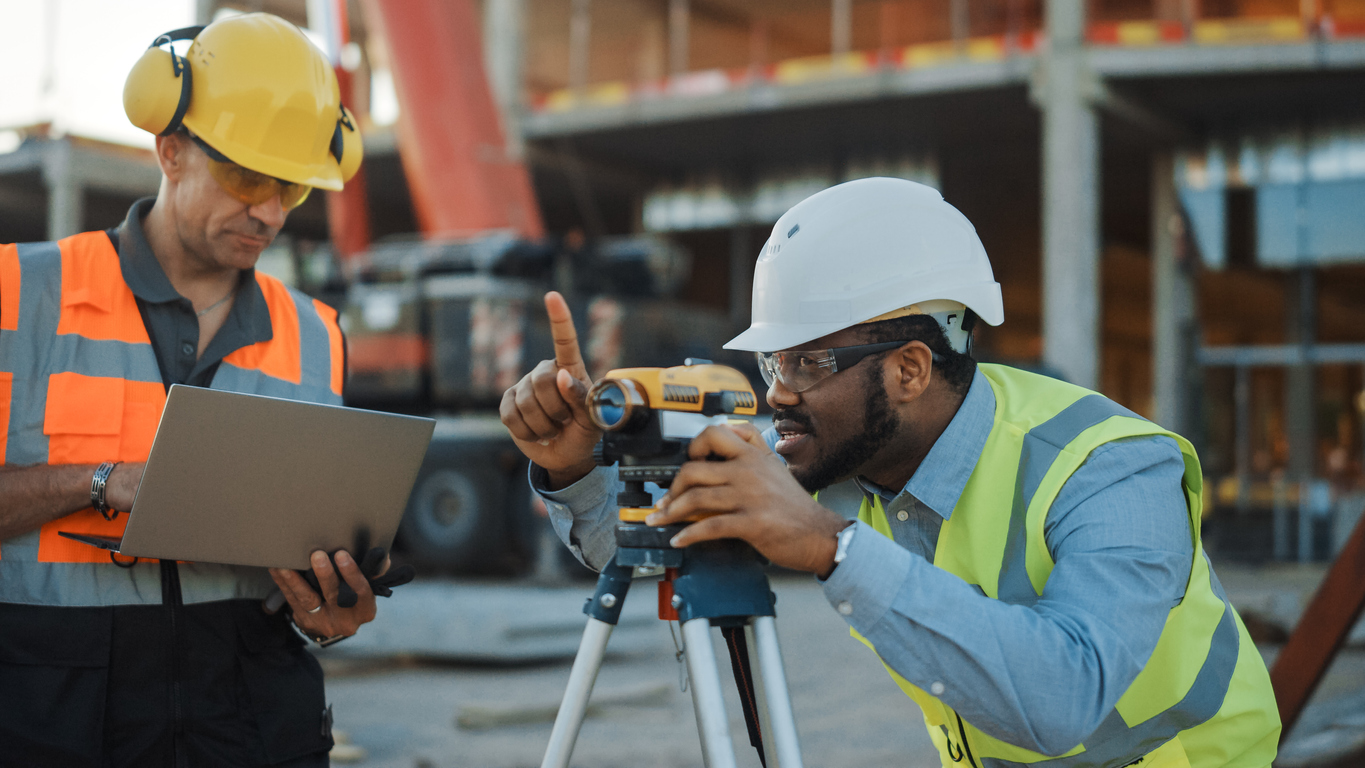
In partnership with architects and other professionals, civil engineers assess location conditions, resources, and building methods. They perform thorough calculations and simulations to forecast how structures will behave under different circumstances. This team-based approach not only enhances the complete design but also ensures compliance with building codes and security regulations. By working intimately with a diverse team, structural engineers contribute to projects ranging from residential homes to high-rises and critical infrastructure, ensuring that every aspect of a structure is solid and trustworthy.
As construction technology and methodologies continue to evolve, the role of civil engineers is becoming progressively complex. Look at more info are at the forefront of adopting innovative tools such as Building Information Modeling and cutting-edge computational analysis techniques. This development allows them to address modern challenges, including environmental responsibility and resilience in the face of catastrophes. As society faces the impacts of global warming and city growth, structural engineers are transforming their role, becoming essential advocates for safe, effective, and environmentally friendly construction practices.
Breakthroughs in Structural Design
The domain of structural design is undergoing notable changes in a way that improving the protection, productivity, and eco-friendliness of various frameworks. Cutting-edge materials such as carbon fiber reinforced polymers and ultra-strong concrete are being used to create more lightweight yet robust frameworks. These materials merely enhance the weight capacity but also lower the total weight of frameworks, permitting more adaptable designs. Concepts such as modular construction, which involves manufacturing elements off-site and putting together them at the site, are simplifying the erection process, reducing excess and construction time, and minimizing environmental impact.
Moreover, the implementation of intelligent systems in framework engineering is revolutionizing the way engineers approach their projects. Internet of Things (IoT) are being incorporated into structures to monitor structural integrity in the present moment, providing important data that can prevent failures and enhance maintenance practices. This technology facilitates proactive decision-making, making certain that any issues are resolved before they grow into significant problems, thus improving the safety of the public.
In conclusion, the use of three-dimensional modeling and modeling tools is revolutionizing the design approach in structural engineering. Designers can now visualize and evaluate complex designs with unprecedented accuracy, enabling more innovative and optimized solutions to be formed. These tools allow the assessment of multiple scenarios like load distribution and ecological effects, yielding better-informed design choices. The outlook of structural design is definitely shaped by these advancements, paving the way for more protected and more resilient infrastructures.