Past Brick and Cement: Examining Stone Masonry Techniques


Stone masonry has been a cornerstone of building for hundreds of years, embodying both durability and beauty. From grand buildings that have stood the test of time to detailed patterns that enhance our outdoor spaces, masonry offers an exceptional combination of strength and aesthetic appeal. As homeowners seek to personalize their living spaces, understanding the craft of stone masonry becomes essential. This time-honored craft not only provides character to homes but also significantly increases their value and durability.
In this article, we will examine various aspects of stone masonry, from essential techniques every homeowner should know to advice for selecting the ideal stone mason. We will delve into the distinctions between natural and artificial stones, examine the impact of climate on stone buildings, and provide insights into repair and maintenance. Whether you're considering a bespoke stone hearth, a well crafted garden wall, or simply looking to improve your landscape, this article will equip you with the knowledge to value and make the best of stone masonry in your property.
Crucial Methods in Stone Masonry
Stone masonry is a professional trade that includes various practices essential for creating robust, durable structures. One of the core techniques is the art of stone choice, where masons must consider the type of stone that best meets the project requirements, factoring in elements like strength, aesthetics, and environmental resistance. Properly understanding the materials ensures that the end product endures the challenges of time while enhancing the beauty of the surrounding setting.
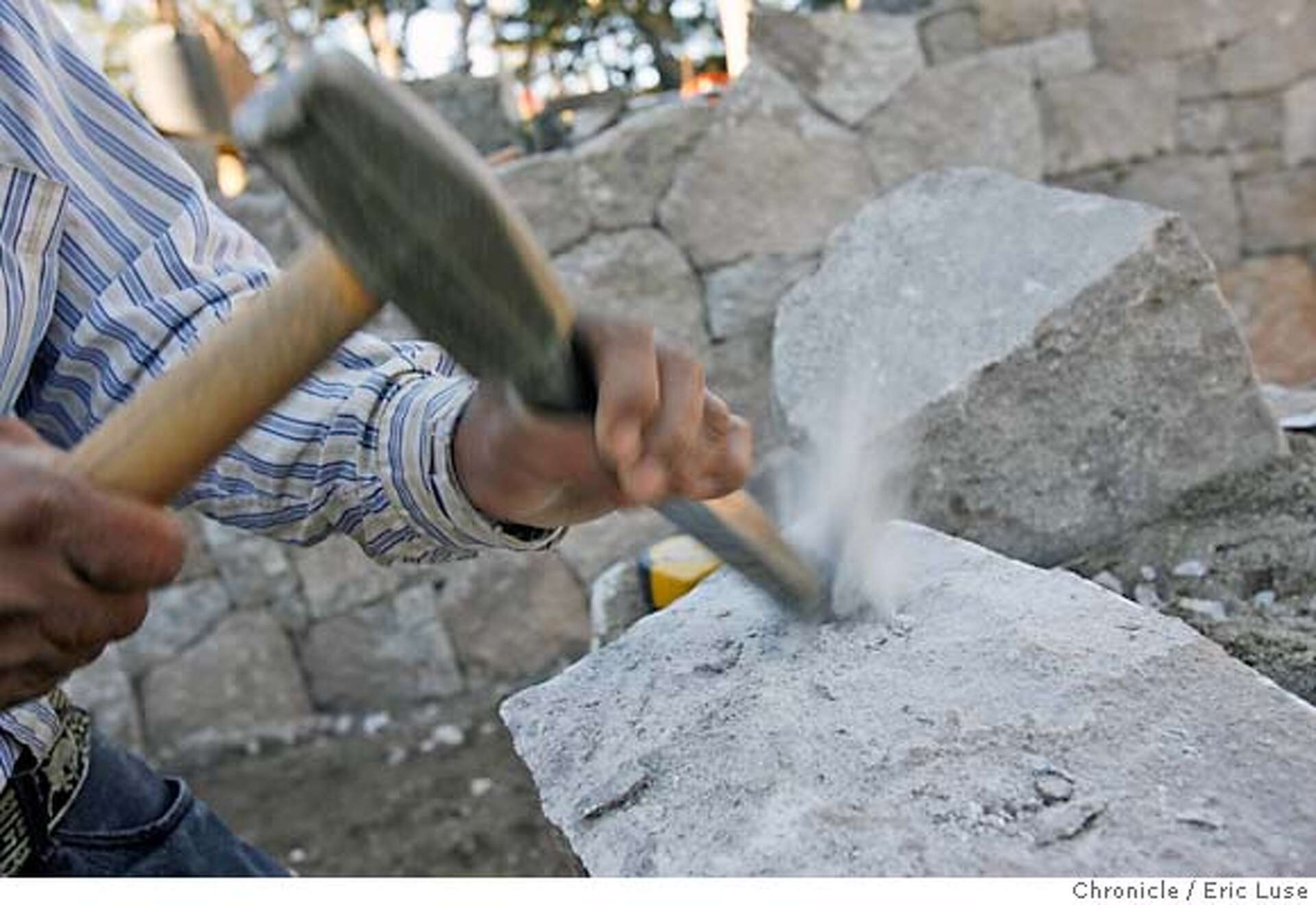
Another crucial technique is the method of cutting and shaping stones. Becoming proficient with tools like chisels, saws, and grinders allows masons to achieve precise dimensions and finishes. Approaches such as split-face, glossy, or honed surfaces can be utilized to create different textures and appearances, making each project distinct. The capability to shape stones correctly is essential, as it affects how they interlock, ensuring stability and soundness in the edifice.
Concrete laying is yet another important aspect of stone masonry. The right mix and use of mortar provide the necessary bonding and stability needed for the construction. Knowing the role of different types of mortar, including lime, cement, and epoxy, can considerably affect the longevity and effectiveness of a stone structure. Additionally, knowing when to use dry-stacking versus mortared techniques will enhance both the resilience and finish of the completed work.
Choosing the Correct Type of Stone and Mason
While launching a masonry stone project, picking the right type of stone is essential. Authentic stone offers a singular aesthetic and durability, while engineered stone can provide affordable alternatives with a variety of styles. Factors such as weather, location, and intended use should guide your decision. For https://stonemasonworcestershire.co.uk/ , stones like granite stone and limestone rock are favored for their resilience, while softer stones like sandstone rock may be better suited for interior applications and ornamental purposes.
Finding a talented stone mason is equally important as selecting the right materials. Look for artisans who have a solid portfolio and positive reviews, as well as a thorough understanding of classic and contemporary techniques. Inquire potential craftsmen about their experience with the exact type of project you have in mind, whether it's building a gorgeous stone fireplace or renovating an historic exterior. A reliable stone mason will discuss effectively, provide a clear cost estimate, and offer insight into various design options.
Finally, don't be afraid to put forth questions during the selection process. Inquire about their approach to craftsmanship, timeline expectations, and any warranties offered on their work. It's crucial to ensure the mason understands the details of stone installation, including the significance of proper drainage and maintenance. By taking these steps, you can confidently choose the right stone and craftsman for your project, laying the foundation for timeless beauty in your home.
Care and Rehabilitation of Masonry Buildings
Caring for stone buildings is vital for securing their durability and visual appeal. Regular maintenance is essential to prevent the buildup of dirt, moss, and fungus, which can result to decay over time. Utilizing a mild cleanser and a gentle scrubber helps preserve the stone's surface while removing unwanted dirt. Additionally, coating the stone with a high-quality sealer can shield it from water damage and discoloration, enhancing its resilience against the elements.
Restoration projects often arise when stonework has experienced from neglect, weathering, or prior poor repairs. Professional stone masons can evaluate the degree of the deterioration and suggest appropriate repair techniques. This may include replacing spalled stones, re-pointing mortar joints, or even rebuilding parts of the structure to maintain its structural soundness. Understanding the original methods and materials used in building is crucial for a effective restoration that preserves the building's cultural significance.
Adequate drainage is also a critical factor in the maintenance of masonry buildings. Moisture pooling around the base can result to severe issues, including wear and cracking. Setting up efficient drainage systems, such as drainage fields or gutters, ensures that moisture is directed away from the masonry. Regular inspections and maintenance of these systems can prevent costly fixes and prolong the lifespan of your stonework, ensuring it remains to endure the test of years.