mastering the Craft in Directional Horizontal Excavation


HDD is a technique without trenches that is transforming the way utility installations are carried out. By allowing for the installation of pipes, cables, and conduits beneath the ground without disrupting the surface, HDD presents a state-of-the-art solution to the challenges of infrastructure development. This advanced technique minimizes environmental impact while enabling the efficient and accurate placement of utilities, making it an ideal option for cities and difficult landscapes.
As cities grow and the needs of infrastructure evolve, the role of HDD continues to become more important. From fiber optic installations to extensive water and sewer line installations, excelling in the art of horizontal directional drilling is essential for engineers and contractors and contractors alike. In this article, we will examine the nuances of HDD, including its pros, the steps taken, and the innovations that are shaping its future. Join us as we delve into the realm of HDD and discover why it is becoming the go-to method for utility installation.
#### Understanding Horizontal Directional Boring
Lateral Guided Drilling, commonly termed HDD, is a non-trenching method utilized in placing underground infrastructure, such as ducts, electrical lines, and conduits, with little ground disruption. The method utilizes a navigated drilling procedure that includes three key stages: pilot hole drilling, reaming, and product installation. In the pilot hole phase, a drilling rig creates a cavity while tracing a set path using a steerable drill bit. The process is particularly advantageous in metropolitan areas in which space is restricted, and the need to maintain ground integrity is crucial.
One of the primary advantages of HDD is its ability to maneuver around obstacles and through diverse soil types without significant excavation. By keeping a specific angle and direction, the HDD method enables the placement of utilities beneath roadways, rivers, and even sensitive environmental areas. This ability to drill horizontally, rather than upward, reduces the requirement for large trenches, greatly diminishing the impact on surrounding landscapes and infrastructure.
Moreover, HDD is also cost-effective but also efficient in time, as it frequently results in quicker project timelines when contrasted with traditional trenching methods. This effectiveness comes from the reduced requirement for surface restoration and the ability to establish and carry out projects quickly. The growing adoption of HDD is a reflection of its adaptability and efficiency in addressing the current challenges of utility installation, making it a favored choice in many infrastructure projects.
Advantages and Advantages of Horizontal Directional Drilling
Horizontal Directional Drilling offers a variety of benefits that make it an appealing option for various utility installations. One of the primary advantages is its low environmental impact. Unlike conventional trenching, which often involves significant land disruption, HDD allows for the placement of utilities without the need for exposed trenches. This method significantly reduces the disturbance to the surrounding ecosystem, making it ideal for fragile areas and urban settings where preserving the landscape is a priority.
Affordability is another significant advantage of HDD. While the initial investment in HDD technology and equipment may be more expensive than conventional methods, the long-term savings often outweigh these costs. HDD reduces the need for extensive restoration work, minimizes project timelines, and limits the labor associated with traditional digging. The effectiveness of HDD can lead to quicker project completion, reducing overall labor and material costs while enhancing the ROI for service providers and developers alike.
Furthermore, HDD is particularly advantageous in navigating complex terrains. Whether it’s drilling beneath streams, roads, or other barriers, Horizontal Directional Drilling provides a flexible solution that traditional trenching cannot match. This flexibility enables the installation of pipes and conduits in challenging environments while maintaining the integrity of existing structures and the landscape. As urban areas continue to expand and evolve, HDD stands out as a vital technique for utility expansion and upgrades.
Upcoming Trends and Obstacles in HDD
As the demand for efficient and low-impact utility set-up continues to increase, HDD is set to evolve significantly. Emerging technologies, such as advanced tracking technologies and improved drilling fluids, are likely to enhance the accuracy and efficiency of HDD projects. Additionally, the integration of AI and ML could provide real-time data analysis, allowing for enhanced decision-making during complex drilling tasks. These advancements will not only improve the efficacy of Horizontal Directional Drilling but also widen its utilization scope, especially in difficult environments.
However, with these advancements arise new challenges that the sector must face. As Horizontal Directional Drilling becomes more prevalent, issues like adherence to regulations and permitting processes will become increasingly complex. Additionally, environmental issues surrounding HDD projects will necessitate more rigorous compliance to sustainability practices. The need for trained operators who can manage both the technological and compliance aspects will increase, highlighting the importance of education and workforce development within the HDD sector.
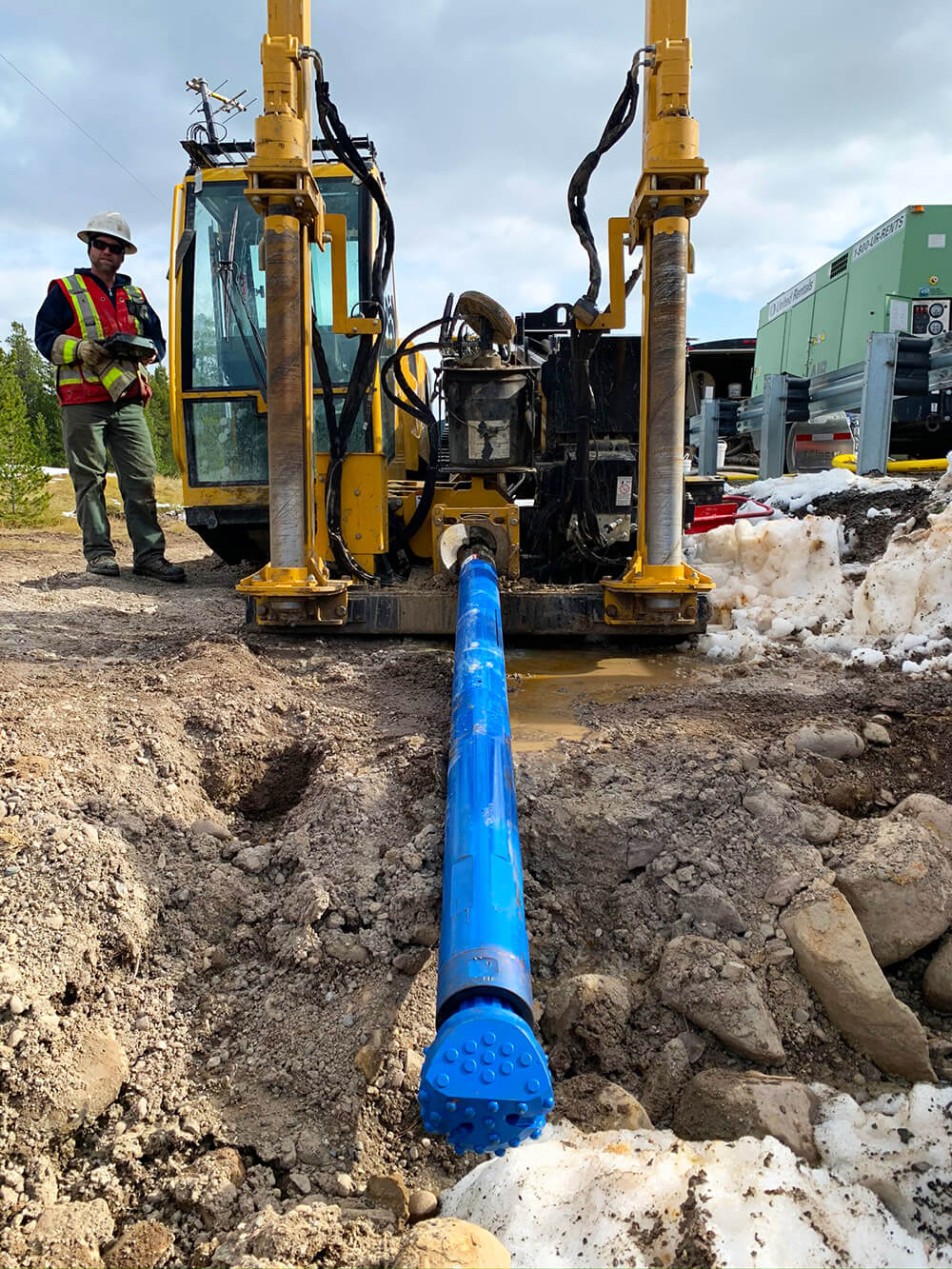
Looking ahead to 2025 and beyond, the trend towards clean energy infrastructure will also influence the HDD landscape. As more projects concentrate on setting up utility lines for wind, solar, and other renewable energy sources, Horizontal Directional Drilling will play a key role in minimizing the ecological impact of these installations. https://gmaccontractors.com/best-directional-drilling-ireland/ with environmental stewardship will be vital as Horizontal Directional Drilling leads the way in contemporary trenchless technology, guaranteeing that it remains a popular choice for infrastructure projects in urban and fragile areas alike.