Draining all Drama: The Definitive Guide to Unclogging Your Drains


Obstructed drains are an extremely common household nuisance that can easily escalate into a major headache. From the frustration of a backed-up kitchen sink to the inconvenience of a backed-up toilet, drain issues can disturb the flow of daily life. But what brings about these clogs, and how can you efficiently tackle them? In this guide, we will explore the numerous causes of clogged drains, ways to prevent clogs, and a variety of solutions to keep your drainage system functioning properly.
Understanding the indicators of an oncoming clog is crucial for homeowners. Being ahead of the game can save you hours, expenses, and a lot of aggravation. Whether you like DIY methods or are considering calling in a professional, we will look into the best practices for unclogging drains, the implements required for the job, and the necessity of routine maintenance. Get ready to remove the headache and reestablish balance in your pipes with these critical tips and tricks.
Frequent Causes and Avoidance of Clogs
Blocked drains are a common household issue, often caused by a accumulation of debris that hinders water flow. Hair and soap scum are common culprits in bathroom sinks and tubs, while food particles and grease can create blockages in kitchen sinks. The build-up of materials over time, especially in older plumbing systems, can lead to significant clogs, such as tree roots penetrating pipes or hard water deposits narrowing the passageway.
Preventing clogs starts with being mindful of what goes down your drains. In the bathroom, using a drain cover can catch hair before it gets into the pipes, and regularly clearing away soap scum can help maintain free flow. In the kitchen, scraping food scraps into the trash rather than rinsing them into the disposal, and running hot water after washing dishes can reduce grease buildup. Routine maintenance is key to keeping drains unclogged.
Another important preventive measure is planning routine inspections and cleanings. Professionals can use tools, such as drain cameras, to spot potential issues before they turn into serious obstructions. Additionally, adopting a periodic maintenance checklist can help homeowners concentrate on areas that may be prone to clogs and manage them proactively, greatly reducing the chances of unexpected clogs.
Home Remedies vs. Professional Help
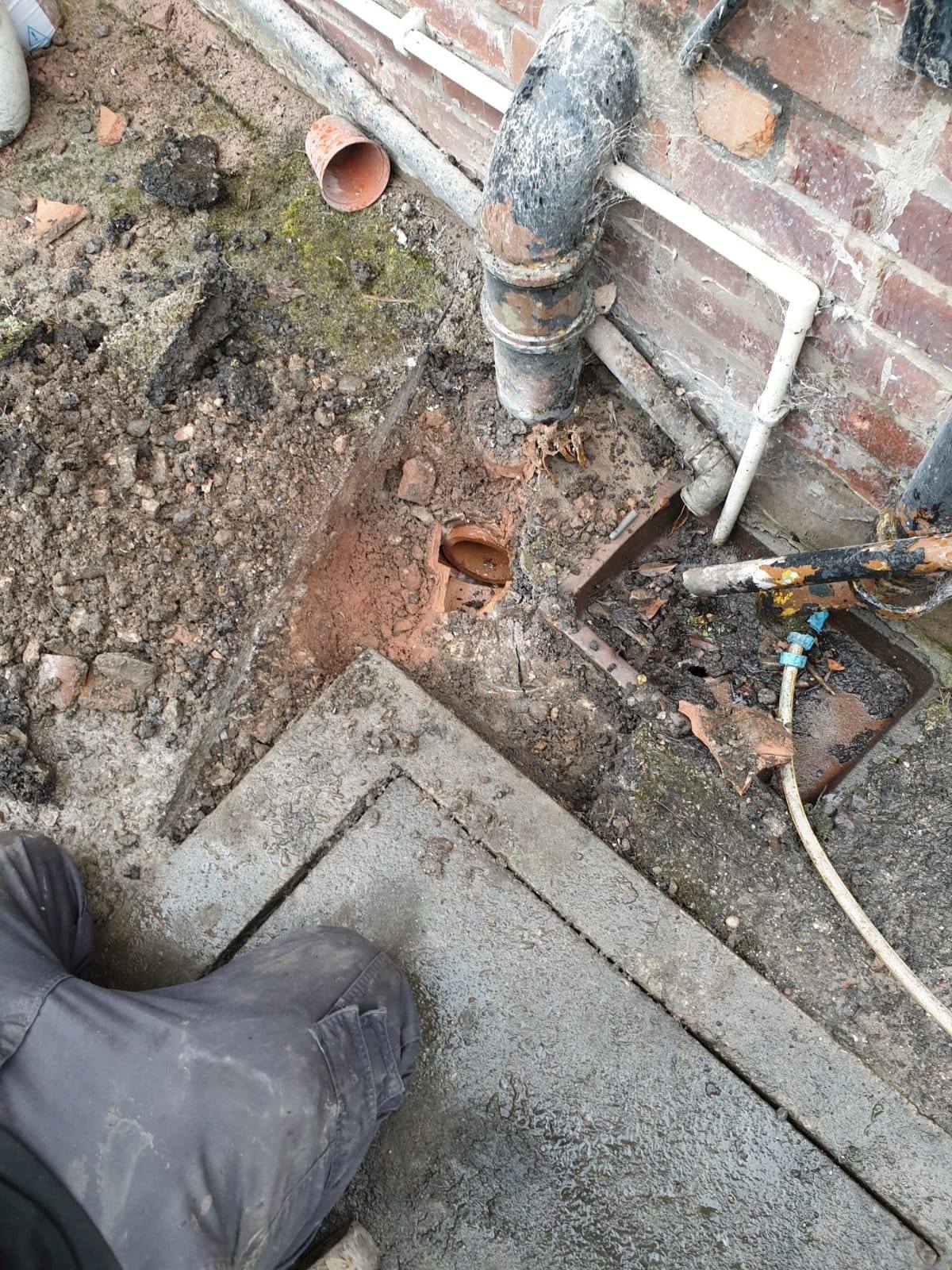
When faced with a clogged drain, many property owners first consider DIY techniques as a cost-effective solution. Common methods include utilizing a plunger, creating a baking soda and vinegar mixture, or employing a drain snake. These techniques can be sufficient for light obstructions, especially if the obstruction is caused by food waste. Additionally, regular maintenance techniques like using hot water in your drains can help avoid accumulation before it escalates into a significant issue.
However, there are restrictions to what DIY methods can accomplish. Persistent or serious obstructions, particularly those caused by fat, roots from trees, or complicated plumbing problems, often require the help of a professional. A certified plumber has access to advanced tools like high-pressure water jetters and drain cameras, allowing for complete assessment and successful clearing of stubborn obstructions. These techniques not only resolve the immediate problem but also help detect any problems below the surface that could lead to future blockages.
In choosing between home remedies and professional services, consider the seriousness of the blockage and your confidence with tackling plumbing issues. For minor clogs, home remedies may suffice, while difficult clogs often warrant the expertise of a professional. Ultimately, knowing when to reach out for https://drainagecontractorscumbria.co.uk/ can save you hours, effort, and potentially costly repairs down the line.
Maintenance and Long-Term Strategies
Routine upkeep is vital for avoiding pipe clogs and keeping your plumbing system stays in good working order. Creating a routine cleaning plan can assist eliminate deposits prior to it develops into a significant problem. This may consist of periodically using a mixture of baking soda and vinegar, which can break down organic matter and keep drains flowing smoothly. Furthermore, inspecting and cleaning sink screens or traps can stop debris from entering your plumbing system.
For those who experience frequent clogs, investing in long-term solutions can be beneficial. Hydro jetting is one powerful method for removing persistent blockages and eliminating buildup in pipes. This highly pressurized water cleaning method can reach deep into your plumbing, not only clearing existing problems but also preventing future ones from arising. Frequent professional inspections using drain cameras can also aid spot problem areas prior to they turn into serious, allowing for timely intervention.
Understanding the specific causes of recurring clogs in your home can result in customized solutions. For instance, if hair build-up is an ongoing problem in your bathroom, consider putting in drain covers designed to catch hair. In kitchens, using grease traps can dramatically reduce the chance of grease-related clogs. By addressing these underlying issues and maintaining consistent upkeep habits, you can significantly reduce the frequency of drain issues and safeguard your plumbing for years to come.