Behind the Curtain: The Way Commercial Scaffolders Assist Major Building Projects


Within the dynamic world of commercial construction, scaffolding plays a key role in guaranteeing that major builds are executed securely and efficiently. In the background, professional scaffolders are the unrecognized heroes who lay the groundwork for smooth project execution, providing essential support that allows contractors to bring their architectural visions to life. They allow access to various heights, safeguard worker safety, and play a part to the overall timeline of the project, making their expertise critical in today’s construction landscape.
As we dive deeper into the realm of professional scaffolding, we will explore the critical functions these professionals perform, from ensuring safety standards to optimizing project efficiency. Regardless of whether it is going through the complexities of high-rise buildings or helping in large-scale infrastructure projects, comprehending what commercial scaffolders do will illuminate their importance in the construction process. Come along as we expose the intricacies of their role and the positive aspects of hiring expert scaffolding services for any large build.
A Role & Significance in Industrial Scaffolding Professionals
Commercial scaffolders constitute a vital role to the construction industry, providing essential structures that sustain workers and materials across various heights. Their knowledge guarantees the scaffolding systems are designed and erected safely, enabling effective entry to various parts of any building or infrastructure project. Through aiding the tasks of construction, maintenance, & renovation, scaffolders assist streamline workflows & keep projects moving ahead.
Safety is paramount in commercial construction, where the potential of accidents may be significant. Industrial scaffolders are trained to comply to strict safety regulations, ensuring that all scaffolding installations satisfy legal standards & provide a secure environment for workers. This emphasis on safety not just protects the well-being of construction teams but also reduces potential liabilities for companies involved in major building projects.
Furthermore, industrial scaffolders contribute to project efficiency by enabling work to continue without unnecessary delays. Their professional installation and maintenance of scaffolding systems enable different trades to function simultaneously, reducing the overall time spent on a project. As a result, commercial scaffolders have a pivotal role in keeping construction projects on schedule and within financial limits, making them invaluable allies in the building process.
Security Regulations and Best Practices
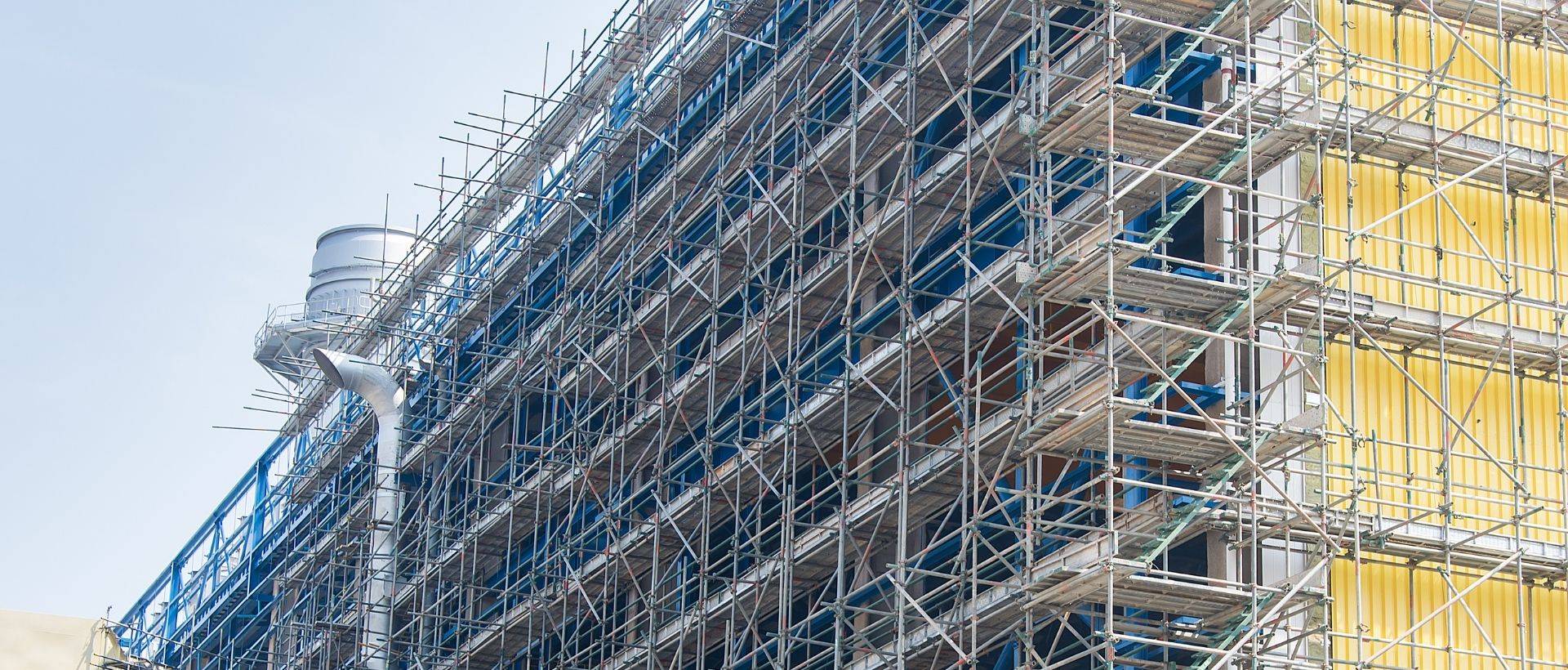
Safety is vital in commercial scaffolding, as it immediately affects the health of workers and the outcome of building initiatives. The Occupational Safety and Health Administration has established extensive regulations that scaffolders must adhere to, ensuring that scaffolding systems are engineered, constructed, and maintained correctly. These standards cover areas such as weight limits, stability standards, and safe entry. Companies must also ensure their scaffolders are trained in recognizing hazards, proper use of equipment, and crisis management to reduce risks on-site.
Routine inspections are a critical best practice in ensuring scaffolding safety. Scaffolders are responsible for conducting detailed inspections prior to and throughout use, checking for the stability of the structure, damage, and adherence with safety standards. Implementing a list of items to review can help scaffolders and site managers systematically identify potential issues, such as loose fittings, broken boards, or incorrect assembly. Addressing these issues quickly can prevent accidents and enhance the overall safety culture on building locations.
In alongside regulatory compliance and inspections, fostering a culture of safety through proper training and dialogue is essential. Scaffolders need ongoing education about up-to-date safety practices, advancements, and emerging risks in the building industry. Promoting open dialogue around safety concerns allows team members to exchange insights and experiences, resulting in increased awareness. By emphasizing safety standards and optimal procedures, commercial scaffolders can significantly reduce risks and contribute to the success of building initiatives while guaranteeing the safety of all personnel involved.
Choosing the Right Scaffold Solutions
Choosing the appropriate scaffolding solution is vital for the success of any industrial construction project. The kind of scaffolding required depends on multiple factors, like the project scale, type of work being performed, and the specific site conditions. Understanding the various scaffolding systems available, such as tubular or modular scaffolding, will help project managers make wise decisions that correlate with their project needs. Furthermore, consideration of factors such as load limits, height, and access challenges are important in determining what scaffolding solution can be optimal.
When considering potential scaffolding options, it is important to take into account the safety standards and regulations that apply to commercial construction sites. Adherence with local and national safety codes not only lowers risks but also affirms that the scaffolding can support the intended loads securely. Collaborating with experienced scaffolding contractors can offer insights into the best practices for scaffolding design and implementation, that helps to spot any potential challenges in advance in the planning process.
Ultimately, project efficiency can be significantly boosted by choosing a scaffolding solution that offers flexibility and adaptability. Click for more info can adapt to unique site conditions, encouraging smoother workflows and reducing downtime. By dedicating time in assessing different scaffolding systems and comprehending the specific needs of the project, construction managers can ultimately enhance both safety and efficiency, resulting in successful project completion.